Your teen is in treatment! That major step can (and probably will) transform their life. Reaching this point was difficult, so give yourself and your teen credit for how far you’ve come.
Of course, there’s still a long way to go. Healing takes time and hard work, and starting teen mental health treatment can feel like standing at the bottom of a humongous mountain. There are many changes to make, concerns to navigate, and fears to face. It’s a lot for teens to manage.
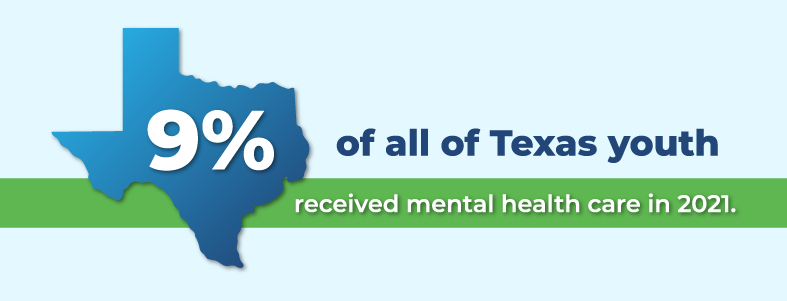
The good news is that they aren’t alone. 9% of all of Texas youth received mental health care in 2021, so a lot of people know where they’re coming from. They also have you!
That doesn’t mean you know how to support them right away, though. It’s okay not to know everything and have a lot of questions. That mountain is a challenge for you to conquer, too. It’s normal to get a little lost along the way.
We work with teens in treatment every day at Bricolage Behavioral Health, and we can provide some guidance. If you’re wondering how to help your teen while they’re in treatment, read on for the tips you need to know.
Research shows that parental support has a huge influence on the effectiveness of treatment and teens’ mental health overall. Evidence indicates it reduces psychological symptoms in teens by building their ability to handle challenges on their own. That may seem surprising, but think about it: overcoming obstacles on your own is harder when you feel like you’re facing them alone. The confidence that you have support behind you is empowering and gives you the strength to tackle adversity head-on. It’s the same for teens in treatment.
You’re also your child’s biggest advocate, and when their mental health is interfering with their life, they need an advocate more than ever. It can be hard for them to care for themselves on the worst days. Having you there for support gives them more of an opportunity to break out of the negative cycle that’s so common with mental health symptoms.
Your insight is valuable, too. You’re one of the people who knows your child best, and you can tell when they’re not acting like themselves. You can be an extra pair of eyes and look out for changes while your teen is in treatment, and help them take note of any symptoms or improvements they might not notice.
Maybe you want to support your child but aren’t sure how to help. You might even worry that if you interfere, you’ll do more harm than good.
Rest assured that the most important part of the equation is ensuring your teen knows how loved they are. Of course, there are many ways to show and express that love, especially when involving their mental health care.
Here are three important tips for providing your teen with the best possible support.
When your teen is dealing with their mental health, one of the most powerful things you can do is lean on the professionals in their life. Be it their therapists, counselors, or even school staff: these individuals are trained to support teens through emotional and behavioral challenges and are vital allies in your child’s healing journey.
It’s also important to stay in close communication with your teen’s mental health team to keep informed about their progress, treatment goals, and how you can support their growth at home. Therapists often assign “homework” or recommend practicing new coping skills outside of sessions. Don’t hesitate to ask how you can reinforce what they’re learning outside of the office. Remember: Your teen may share things with their therapist, but they’re not ready to tell you yet. That’s a sign of trust, not secrecy, and it can be a powerful part of their healing journey. Respecting that space while staying engaged shows your teen that you're both supportive and a safe space.
You may also want to loop in school professionals, especially your teen’s guidance counselor. While having your teen’s consent before sharing their personal information is important, their counselor can offer valuable accommodations and strategies to reduce school-related stress. Whether it's modifying their class schedule, arranging quiet spaces for them to study, or providing access to emotional support during the school day. These efforts can make a world of difference in a child’s life. Teachers and staff can also update you on how your teen copes academically and socially, allowing for a collaborative approach to care.
Combining the insights of clinical and educational professionals creates a more supportive ecosystem for your teen. And the more coordinated that support is, the more empowered your teen will feel to heal.
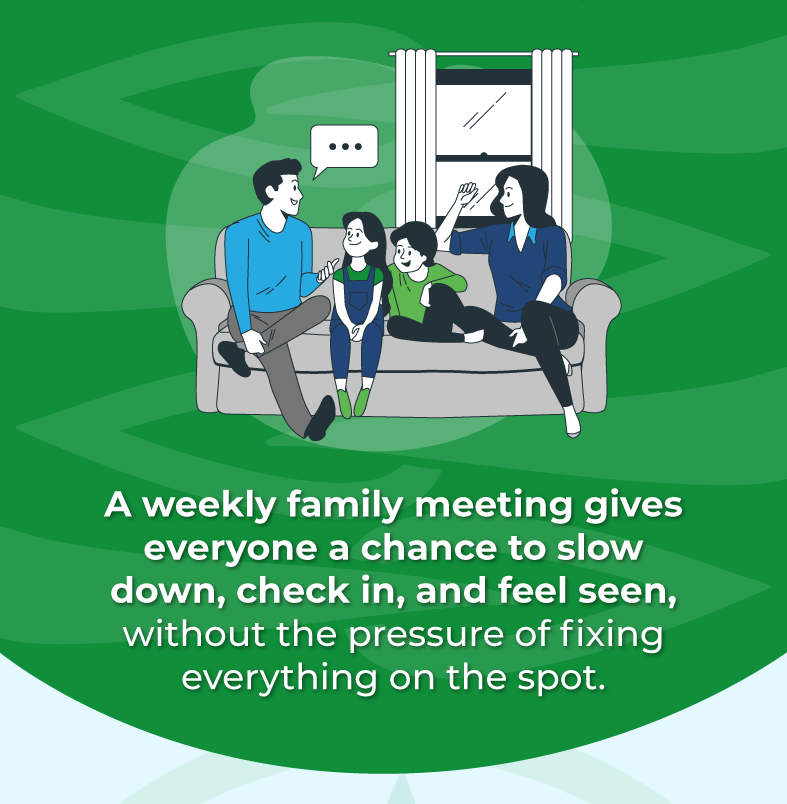
One simple and powerful way to support your teen is by creating regular space for structured connections at home. A weekly family meeting allows everyone to slow down, check in, and feel seen, without the pressure of fixing everything on the spot. This should not be about discipline or critique, but instead about presence, empathy, and intentional communication.
Start each meeting with a moment of gratitude. Ask each person to say one kind thing about every family member. It’s a small gesture that can build trust and remind your teen that they are appreciated. Then, let everyone share something they accomplished that week. No matter how small, be sure to celebrate those wins.
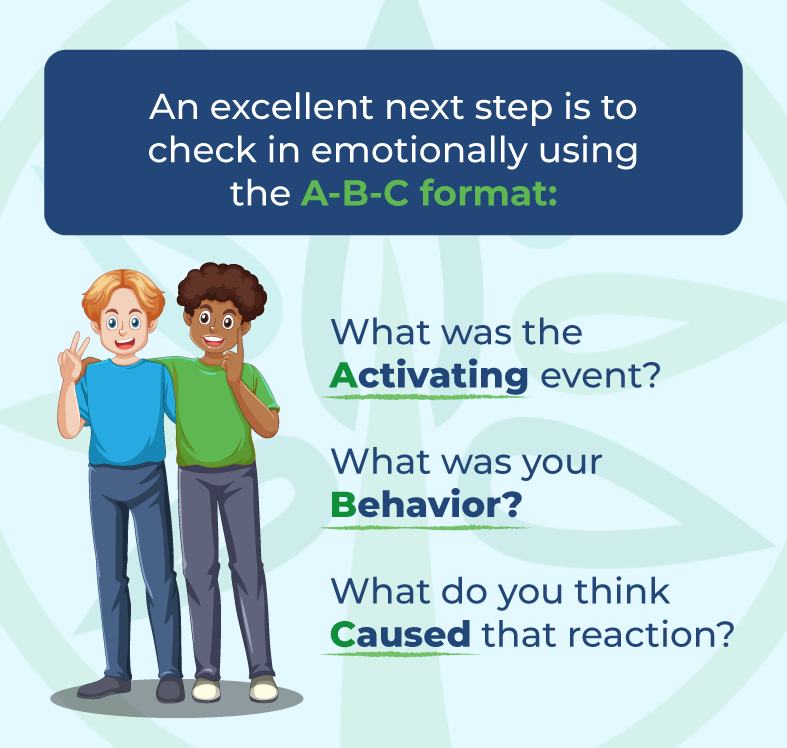
An excellent next step is to check in emotionally using the A-B-C format: What was the Activating event? What was your Behavior? What do you think Caused that reaction? This is a tool that can help your teen (and truly yourself as well) reflect on patterns and build an emotional awareness of different situations. It’s also important to invite your teen to talk about current challenges and how they’re managing them – whether through therapy skills, support systems, or simply trying to cope with life in general.
End the meeting by sharing goals for the week ahead. These don’t have to be major; they can be as simple as “get more sleep” or “talk to a friend.” The goal is consistency, not perfection. By modeling openness and prioritizing connection, you’re showing your teen that their healing journey matters and that they’re not walking it alone.
Healing takes time, but that doesn’t mean you’re powerless while you wait. In fact, one of the best ways to support your teen right now is by getting involved in their journey in small but steady ways.
Start with communication: whether through casual conversations, structured check-ins, or tools like “I” statements that can reduce conflict. You can help them practice emotional regulation skills, too, like identifying emotions, using grounding techniques, or modeling healthy coping strategies during intense and stressful moments. You can also work with your teen to set simple goals. These could be personal or shared, including things like getting more sleep, trying a new hobby, or even just showing up to therapy on time instead of late. Celebrate these milestones, no matter how small. Progress isn’t always dramatic, but more often than not, it is measurable.
Finally, begin nurturing your teen’s support network. Whether that means reconnecting with extended family, encouraging group activities, or helping them find one safe person outside the family to talk to. These relationships offer reassurance that they’re not alone and can help build the social safety net they will continue to appreciate long after treatment ends.

Yes, healing can be slow. But when parents get involved intentionally, even if it's just a little each day, that process becomes stronger, safer, and more sustainable.
Maybe your teen isn’t in treatment, and you’re reading this page in hopes of unlocking the secret to improving your teen’s mental health all by yourself. You can certainly help, but there’s no replacement for a trained mental health professional working with your child. If they’re managing mental health concerns that are greatly impacting their life, we encourage you to reach out for help.
If your teen is in treatment, take these tips to supplement their recovery. They won’t “fix” your teen’s mental health right away, but they will set them up for success and give them an extra boost toward the bright future ahead of them.

Bricolage Behavioral Health works with youth in Flower Mound, Texas, and surrounding areas. From our specially-pioneered whole-group therapy to our focus on each child’s goals and strengths, no one else in the country does treatment like Bricolage. We’d love to meet your family and set your teen on the path to a better life. Contact us today at 469-968-5700.
Bricolage Behavioral Health: Where Teen Minds Matter

Bricolage Behavioral Health is strength-based, skills-based, evidence-based, and medication-light. We empower your child or teen to develop the skills they need to take control of their mental health with effective, science-backed therapy.
At Bricolage Behavioral Health we believe that whole family healing affords your child the best chance for long term mental health and can put your loved ones on the path to a healthier, happier life.
Bricolage Behavioral Health
3204 Long Prairie Road
Suite A
Flower Mound, TX 75022
Mon - Fri: 8:30 AM–9:00 PM
Sat & Sun: 9:00 AM–5:00 PM