We hope to shield our teens from some of the painful experiences of adulthood.
Unfortunately, this isn’t always possible. 4 out of 5 teens will experience at least one traumatic event during adolescence.
The pain that comes with those events is very real and can develop into a stress disorder. If your teen has acute stress disorder, you know how serious it can be.
Thankfully, there are ways to help that don’t involve simply waiting for your teen to recover from their trauma. Treatment for stress disorder is available at Bricolage Behavioral Health, and it offers the specific, tailored support teens need to find peace and security again.

Stress disorder, also known as acute stress disorder, is essentially an intense reaction in the days and weeks following a traumatic experience.
Acute stress disorder differs from PTSD primarily in how long it lasts. The “acute phase” after a traumatic event is from three days to a month after the event, and this is when acute stress disorder is diagnosed. If symptoms last longer than a month, PTSD might be a more appropriate diagnosis.
PTSD also includes some symptoms that acute stress disorder doesn’t cover. Acute stress disorder focuses on fear-based symptoms and doesn’t account for the depressive or self-destructive behavior many people with PTSD experience. A teen with acute stress disorder also won’t experience depersonalization and derealization as someone with PTSD might.
Our treatment for stress disorder and any other trauma-related concerns includes both individual and group therapy.
A core part of our individual therapy is creating “prediction errors.” Prediction errors happen when your brain predicts something will happen but is proven wrong. This is an important aspect of healing from trauma because it trains the brain to respond normally to stimuli that typically cause your teen a lot of distress.
Let’s say your teen had a scary experience where they nearly drowned. Now, they’re afraid to swim and dislike being near water altogether. To create prediction errors for them, we need to introduce water into their life carefully. We might start by encouraging them to take a bath instead of a shower. This could cause a lot of anxiety for them, but if they rise to the challenge, we’ll create a prediction error, and their brain will take note of it. It will then adapt its response to water. The more time they spend around water and remain safe, the more prediction errors their brain will experience until eventually they understand that water is rarely dangerous.
In our unique group therapy, your teen will work alongside their peers and practice skills they can carry with them into their lives outside of Bricolage. They’ll learn ways to correct unproductive thoughts, healthy communication techniques, relaxation methods, and much more. Unlike traditional group therapy, teens at Bricolage are always engaged in an activity – they don’t just sit around in a circle waiting for their turn to speak. This ensures we make the best of our time with your child and that they’re equipped with everything they need to heal and succeed.
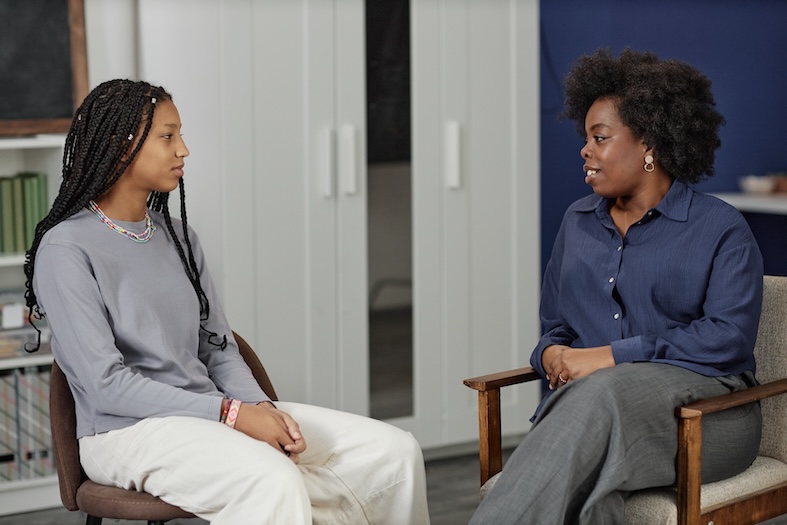
All an acute stress disorder diagnosis tells you is that your teen recently experienced a traumatic event and is seriously impacted by it. That’s understandable!
It’s not just about finding ways to manage the condition; it’s about finding ways to support your child as they recover from something traumatizing. If we think about it that way, it feels a lot less intimidating, doesn’t it?Your support is key to your teen’s healing. It will determine whether
they find healthy ways to process the event or experience worse, prolonged symptoms. One of the primary goals is to help your teen feel safe again. The easiest way to figure out how to do this is to ask your teen directly. They may not know exactly what they need, but if you listen closely to what they tell you, they will give you some ideas.
Patience is also vital, both from parents and teens themselves. It takes time to recover from trauma. Some days will feel okay, and some will feel like your teen hasn’t made any progress in healing. This is normal and all part of the process. It can be frustrating, especially for your teen, more so than for you. Continue to encourage them and offer your support.
It’s also important not to put the responsibility of managing your teen’s stress disorder squarely on yourself. It’s ideal to get a mental health professional involved anytime a teen goes through a traumatic event.
Therapy can be helpful for anyone, for anything, but teens are often skeptical. It might help them to know that therapy doesn’t need to be a permanent solution. The goal of all therapy is to help patients lead healthier lives and develop healthier habits, not to keep them in therapy indefinitely. At Bricolage, we love to see the kids we work with develop the skills they need to thrive in their lives outside of treatment.
We aren’t sure why some people develop acute stress disorder and others don’t, but we do have some theories about how it develops.
Let’s think of an example. If you’re adventuring through a rainforest, and you see a streak of orange out of the corner of your eye before a tiger attacks and kills your friend, you will experience an extreme fear response. That’s completely understandable and rational.
After that, that fear response will trigger every time you see a streak of orange out of the corner of your eye. You’ll feel uneasy around anything that reminds you of a rainforest, too. When you think about it, this isn’t irrational either. Your brain considers these stimuli as signs that something terrible is about to happen as a means to protect you and prevent the same thing from happening again.
Of course, we know that most things that are orange aren’t a threat, and there’s nothing inherently wrong with rainforests. If your teen has acute stress disorder, though, it will require some time and therapy to train their brain out of its fear response to these triggers.
Stress disorder might present with these symptoms:

Remember that acute stress disorder can only be diagnosed by a mental health professional – but even more importantly, any of these symptoms are worth addressing regardless of diagnosis. If your child recently experienced a traumatic event, it’s always a good idea to get them extra help.
Regardless of the trauma your teen experienced, peace and healing are within reach. Your teen doesn’t have to live with acute stress disorder forever. It’s important to get them mental health treatment as soon as possible because untreated stress disorder can develop into PTSD and other long-term conditions. If you choose Bricolage Behavioral Health, we’ll empower your teen to overcome the effects of their trauma and thrive. Just reach out.
Bricolage Behavioral Health provides mental health care to youth in Flower Mound, TX, and surrounding areas. We identify and address the root cause of every behavioral health concern, whether they meet the label of a “condition” or not. If your child’s mental health is getting in the way of living life to the fullest, call 469-968-5700 today. We’re happy to help.
Bricolage Behavioral Health: Where Teen Minds Matter
At Bricolage Behavioral Health we believe that whole family healing affords your child the best chance for long term mental health and can put your loved ones on the path to a healthier, happier life.
Bricolage Behavioral Health
3204 Long Prairie Road
Suite A
Flower Mound, TX 75022
Mon - Fri: 8:30 AM–9:00 PM
Sat & Sun: 9:00 AM–5:00 PM