As of 2022, more than 14% of American teens had been diagnosed with ADHD at some point in their lives. Texas was one of the lowest-ranking states for youth receiving the ADHD treatment they needed that year.
We offer quality care for teens diagnosed with ADHD, but to understand why our treatment works, it helps to explore what ADHD really is.
ADHD stands for “attention-deficit/hyperactivity disorder.” Its core components are trouble regulating focus, hyperactivity, and impulsivity. Everyone deals with these things sometimes, but ADHD symptoms are very disruptive and frustrating for teens and parents alike.
There are three different types of ADHD diagnoses: inattentive type, hyperactive/impulsive type, and combined type.

There are three different types of ADHD diagnoses: inattentive type, hyperactive/impulsive type, and combined type. We’ll cover more on how each is diagnosed in the next section, but the symptoms match the name of each type pretty accurately.
We often think of people with ADHD being “unable to focus,” but that statement isn’t entirely true. It’s more accurate to say they have trouble regulating focus. A teen diagnosed with ADHD can focus very well on playing a video game, for example, potentially to the point of hyperfocusing and losing track of time entirely. They’ll have a harder time concentrating on algebra homework or any task they find boring or don’t want to do.
This trouble with focus especially interferes with school. It usually comes with memory concerns, too. Hyperactive/impulsive type ADHD teens are more likely to get in trouble due to their behavior, whether it’s for chatting too much in class or making a dangerous decision because they didn’t pause to think it through. Teens diagnosed with combined-type ADHD usually face challenges in all of these areas.
ADHD can be very discouraging, especially if your teen lives with combined ADHD and the multitude of symptoms that come with it. The good news is that there’s a lot we can do to empower teens to overcome their ADHD at Bricolage! It takes hard work, and it isn’t easy, but any teen ready to dedicate themselves to getting better can achieve long-term improvement.
One of the most significant aspects of treatment at Bricolage is our whole-group therapy. In it, teens don’t just sit around in a circle “listening” as everyone speaks one at a time – they actively practice skills and participate in discussions every step of the way. We’ve engineered our group therapy so there’s minimal downtime and maximum benefit. We talk, but teens also roleplay situations to apply the skills they learn, and build on those skills through multimedia like videos and readings. Importantly, the kids in our program also make friends they can carry with them once they leave us, or at the very least, learn how to better communicate with and support the other friends in their lives.
For a teen struggling with attention issues, this use of whole group engagement, multimedia, and varying engagement patterns is especially beneficial.
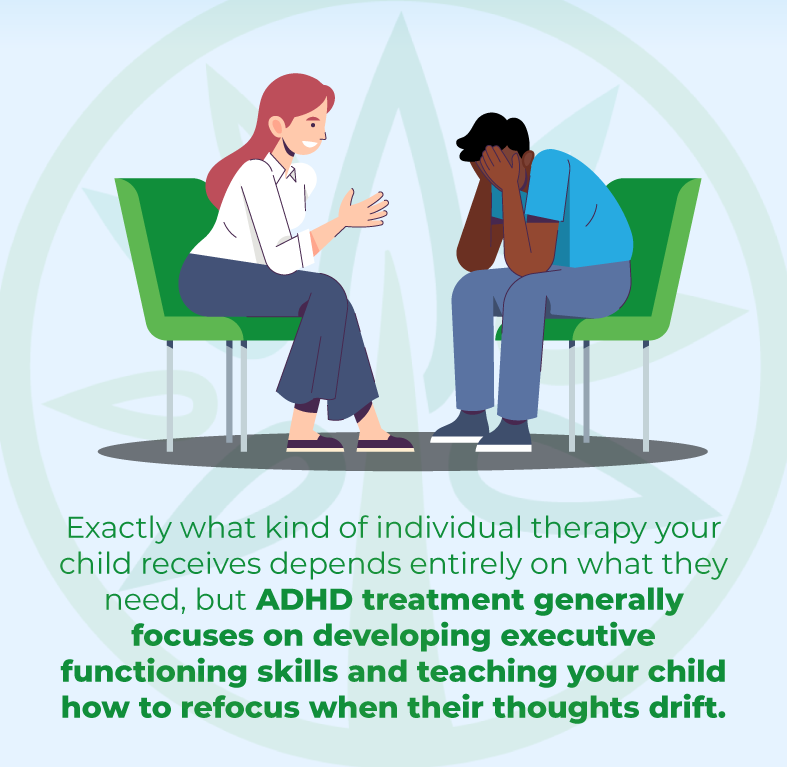
Exactly what kind of individual therapy your child receives depends entirely on what they need, but ADHD treatment generally focuses on developing executive functioning skills and teaching your child how to refocus when their thoughts drift. We work on building healthy habits with them to replace their unwanted behavioral and thought patterns. By doing this, we can eliminate the majority of their symptoms. It’s all about teaching their brain how to function at its best. Our brains don’t like changing very much, so it’s a difficult process, but it’s worth it.
Yes! We’ve seen a lot of success with our approach. This is because we come at treatment from a different angle than most facilities.
Part of what makes Bricolage unique is that we prioritize your teen’s goals. This might not sound ideal at first. After all, if your child’s ADHD is interfering with their ability to do their homework, chances are that’s a high priority for you and part of the reason you want them to receive treatment. Your teen might not care about that much at all. Even though we want to help your teen with strategies to get their homework done on time, opening with that will only frustrate your child and make them not want to come back.
By focusing on their goals first and foremost, your teen will see the benefit of treatment with Bricolage quickly. If they believe we can help them achieve what they want, we’ll be in much better shape to help them grow in other areas, too. Often, by addressing what’s preventing your child from chasing their dreams, we sort out those rough spots too.
For example, your teen with ADHD might notice their symptoms most when it comes to their relationships. Maybe they have a hard time filtering what they say, and they’ve hurt people important to them because of it. They’ll benefit from learning impulse control strategies here. Once they improve those skills, they’ll also likely have an easier time staying on track with their homework, because they won’t give in to their impulses to do something else as often.
ADHD diagnoses boil down to two lists of symptoms: inattentive type symptoms and hyperactive/impulsive type symptoms. Six or more of the symptoms on the list need to frequently apply to your child for them to receive a diagnosis.
Hyperactivity/impulsivity symptoms include:
If your teen meets the criteria for both types of ADHD, then they might have combined ADHD. Keep in mind that a mental health professional must diagnose ADHD. Please contact us if these symptoms are interfering with your teen’s life, whether they’ve received an ADHD diagnosis before or not.
We sometimes use medication as a part of a larger treatment plan, but never on its own.
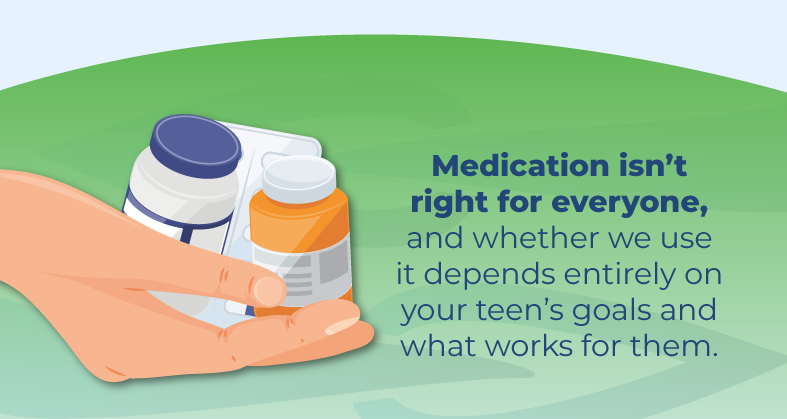
Our top priority is “rewiring” your teen’s brain to overcome ADHD symptoms altogether. Medications are more like a band-aid fix than a long-term solution on their own, though they can be a huge help alongside ongoing therapy! They often provide teens with an extra push to make the work that goes into Bricolage’s brand of recovery a little easier. However, medication isn’t right for everyone, and whether we use it depends entirely on your teen’s goals and what works for them.
We sometimes use medication as a part of a larger treatment plan, but never on its own.
The short answer is, “We’re not entirely sure what causes ADHD yet.” Of course, the full answer is a lot more complicated!
Like anything, genes are involved, but research has shown that genes are not determinstic when it comes to human behavior, this includes ADHD. The human brain molds itself based on life experience with genes “whispering suggestions” along the way.
The health of a baby’s mother influences the likelihood of a child developing ADHD, with poor maternal nutrition, low iron, pregnancy complications, and substance exposure all linked to increased risk of ADHD. Childhood illness can also contribute. Ultimately, our environments influence the skills our brains develop for us. Anything that impacts that learning process in a negative way, such as poor nutrition or serious illness, can result in certain skills and behaviors not developing effectively.
A significant part of ADHD is learned behavior, especially during childhood. For example, if you have ADHD as a parent and your child frequently witnesses disorganization and tardiness, they’ll likely develop the same habits. This is even more true with the way we socialize. If you tend to blurt out whatever comes to mind without thinking it through, your child might think that’s the right way to speak to other people. We know how important it is to practice skills we want to get better at, but it applies to bad habits, too: the more you do something dysfunctional, the more natural it becomes.
Research also suggests that people with ADHD have a lower brain volume than those without it, especially in areas related to focus, planning, memory, impulse control, emotion, decision-making, motivation, and motor control. So far, a lower volume seems to correlate with more severe symptoms. That being said, it’s a bit of a “chicken and the egg” scenario – which came first, the lower brain volume or the ADHD? Most likely, they influence each other.
One of our biggest areas of focus at Bricolage is ADHD’s influence on the networks in your teen’s brain. Teens with ADHD tend to have less activity in brain regions related to ADHD’s symptoms than people without ADHD. Our goal is to wake those parts of your teen’s brain up and get them working as they should again through repeated practice of skills targeting those areas.
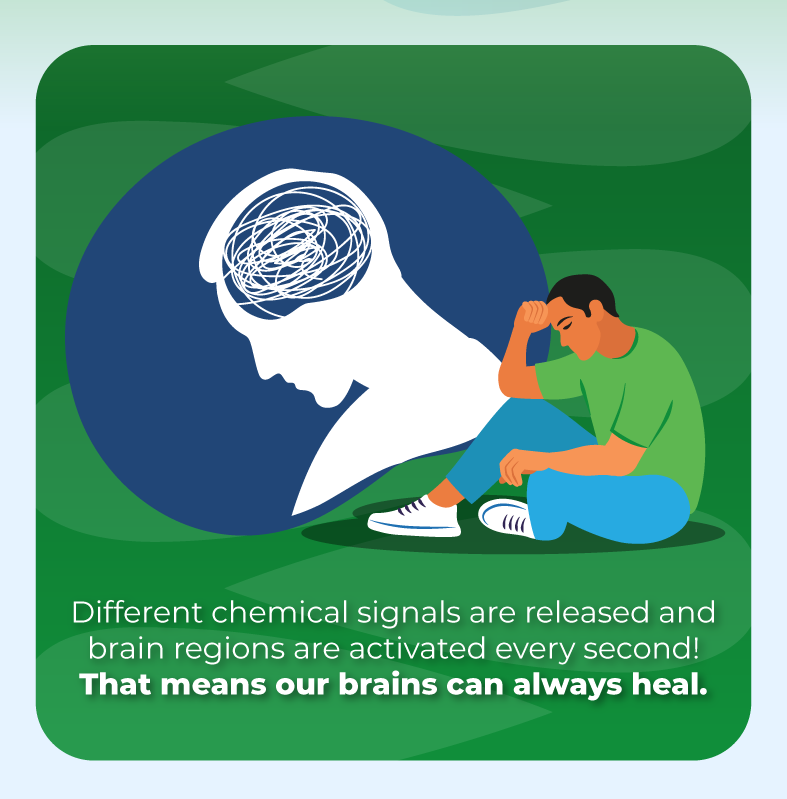
Knowing there is concrete dysfunction in your teen’s brain might feel discouraging, but brain dysfunction isn’t permanent! Our brains constantly change and adjust to the environment around us. Different chemical signals are released and brain regions are activated every second! That means our brains can always heal. We just have to initiate that healing for your teen.
ADHD is frustrating at best, and debilitating at worst. It can make even simple tasks difficult. The disorganization, the lack of motivation and focus, and every other symptom that comes with it likely greatly interfere with your teen’s life.
It doesn’t have to be that way forever. Lasting brain change doesn’t happen overnight, but with hard work and a lot of practice, your teen can overcome their ADHD and build a brighter future. We would love to walk alongside them and help them get there.
Bricolage Behavioral Health provides mental health care to Texas youth. We prioritize building trust and strong relationships with the kids we work with so they know we have their backs. We focus on the strengths your child already has, first and foremost, highlighting and building on those during treatment instead of only stressing weak areas and pointing out where they’re lacking. We’d love to meet your family and set your teen on the right path. Ready to get started? Call 469-968-5700 today.
Bricolage Behavioral Health: Where Teen Minds Matter
At Bricolage Behavioral Health we believe that whole family healing affords your child the best chance for long term mental health and can put your loved ones on the path to a healthier, happier life.
Bricolage Behavioral Health
3204 Long Prairie Road
Suite A
Flower Mound, TX 75022
Mon - Fri: 8:30 AM–9:00 PM
Sat & Sun: 9:00 AM–5:00 PM