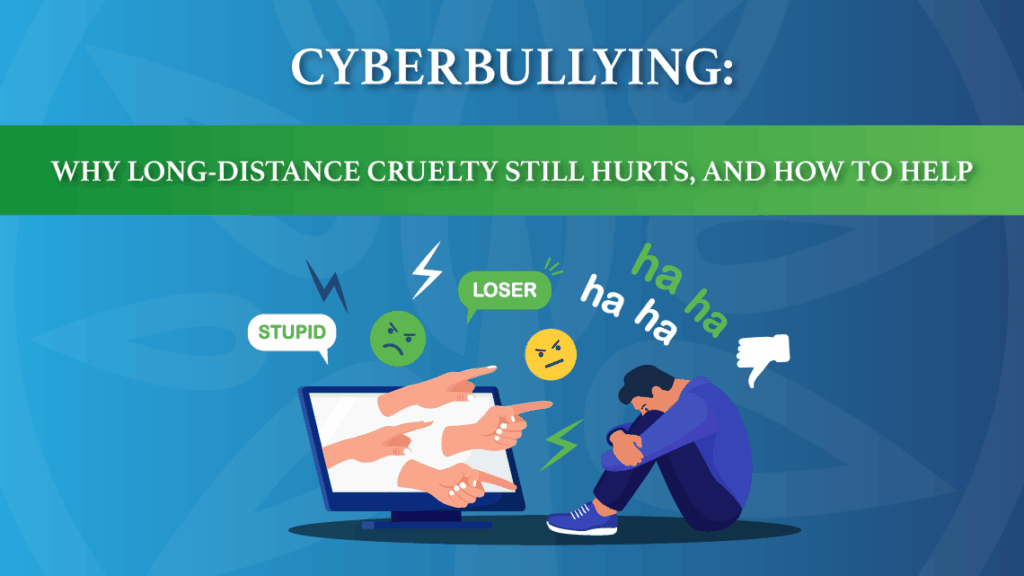
Nearly half of teens reported using social media almost constantly in a 2024 study.
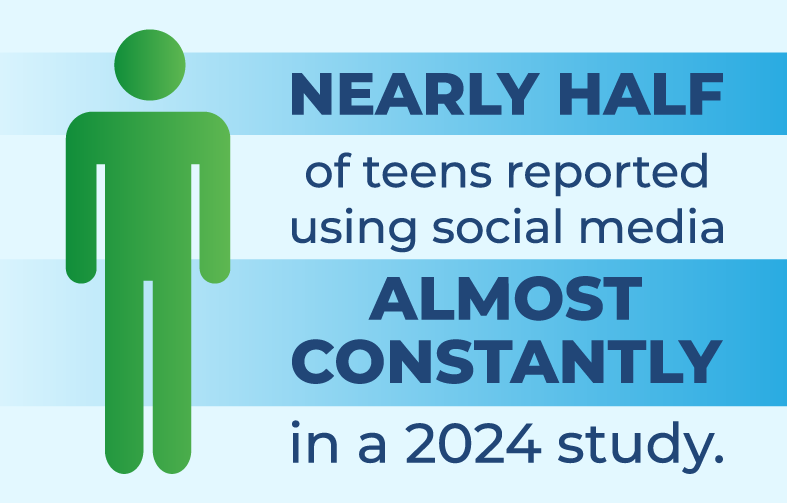
One of the largest of those concerns is your child’s exposure to cyberbullying. Bullying isn’t new, but it’s evolving. The more time your child spends on social media, the more likely they are to experience cyberbullying (or the more likely they are to participate in cyberbullying themselves). How do you help them avoid it? How can you set them up for kindness when the internet isn’t known for being kind?
Bricolage Behavioral Health works closely with teenagers, and they’ve taught us a lot about where they spend so much of their time and how it makes them feel. We teach them how to overcome the challenges they encounter because of technology. Today, we’ll share our knowledge on cyberbullying and other challenges teens face online so you feel better prepared to help your child.
Cyberbullying is, in the broadest sense, any bullying that takes place through technology. We typically think of it in the context of social media, but bullying through text messages also counts as cyberbullying.
The core component of bullying is behavior intended to hurt another person in some way.
When technology is added to the mix, things become even more complicated. Without body language, vocal tone, and facial expressions, it’s a lot harder to judge someone’s intentions.
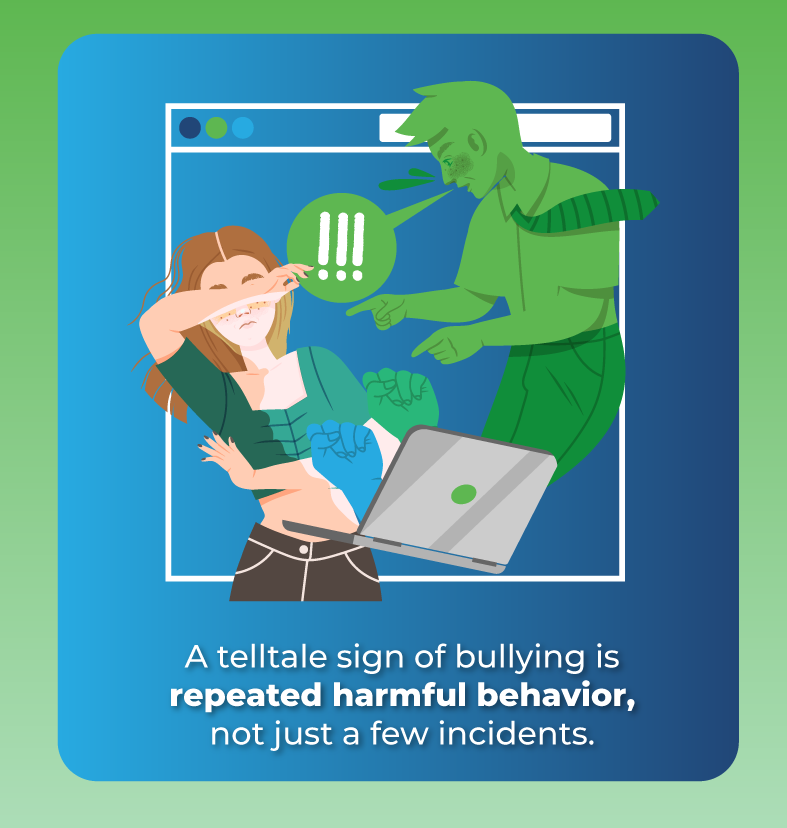
That being said, a telltale sign of bullying is repeated harmful behavior, not just a few incidents.
Unfortunately, there are numerous ways for teens to be cruel to each other online. The anonymous aspect of technology, and not having to see the person’s reaction, makes it much easier to be mean. It’s also too easy to forget that the person you’re talking to through a screen is a person, especially for adolescents whose social skills and empathy are still developing. All of this makes online spaces a prime environment for bullying.
Kids are creative, and this makes it difficult to cover every way they might engage in cyberbullying. Here are some of the most common examples, along with suggestions on how you can help.
You might hear teens mention “getting hate online.” This is any mean comment someone leaves on someone’s post or sends to them through messages, whether anonymous or not. Unfortunately, there are far fewer consequences for being cruel online than in person, and it often emboldens others to be mean.
If your child is receiving hate of any kind, encourage them to remove comments and block users harassing them as needed. Platforms with anonymous functions usually have the option to turn them off, and if they’re having trouble with that feature, it’s a good idea. If the hate consists of threats of harm or doesn’t stop, the site likely has an option to report the person responsible, and that might be an appropriate course of action.
Your reaction when you read this might’ve been, “Oh, my kid would never send anyone nudes.” The reality is that the teen years are an important time for adolescents to discover more about their sexuality. Sometimes they experiment in unpredictable ways, and they don’t always make the best decisions. You can’t be sure that they won’t engage in certain behavior, including sending nudes to others, so it’s best to be prepared. On top of this is the growing challenge of AI and fake nudes. Even if your child never actually sent one, easily accessible and free AI tools enable easy image manipulation that is increasingly difficult to distinguish from reality these days.
Possession of nudes of minors is a criminal offense in most states – Texas included – even if both parties with the nudes are minors themselves. Distributing those images qualifies as the distribution of child pornography, and spreading explicit images without someone’s consent is a crime, no matter how old the victim is. If any sexual messages were sent back and forth between your child and an adult, the adult can be convicted of a crime. It’s even more serious if they pressured your child into sending the messages.
If any of these situations apply to your teen, it’s a good idea to contact local law enforcement as soon as possible, with your child’s permission. They’ll be able to guide you through what to do. You can also contact the social media platforms where their nudes have been posted to request the removal of the content. You and your child might be tempted to delete any sexual messages between them and the other person, but it’s important to at least take screenshots first so law enforcement will have all the evidence they need to help your child.
The “with your child’s permission” part of this equation is important, though. Getting law enforcement involved will require many people to view your child’s pictures, and they may have to testify in court about the situation. That can be traumatizing, even more so than just having their nudes leaked.
Regardless of what you do from a legal standpoint, someone leaking your nudes is a horrible experience for anyone, especially a teen. Their mental well-being is most important. Chances are, they’ll feel incredibly ashamed and embarrassed. It’s key not to further shame your child. Of course, it would’ve been ideal for them not to take and share nude photos of themselves, but it happened. Now, they need your support, not further judgment.
Another massive aspect of having your nudes leaked is the broken trust involved. Your teen will likely have a hard time trusting other people for a while. It might be helpful to discuss signs of trustworthiness and what is/isn’t safe to share with certain people.
Your teen will also probably feel like the world is ending and their life has been ruined. Assure them that they still have a bright future ahead, despite this situation. Remind them of things they have to look forward to that will happen regardless of their having nude photos leaked online.
Therapy is also a good idea. It’s hard to completely understand the feelings involved in leaked nudes as a parent, but there are experts who know just what to do to help your teen overcome it. They’ll teach your teen ways to regulate their emotions, rebuild their confidence, and move forward.
Someone may repeatedly harass your teen from different accounts, no matter how many times your child blocks them. They might also seek out all of your teen’s social media profiles. This is called cyberstalking.
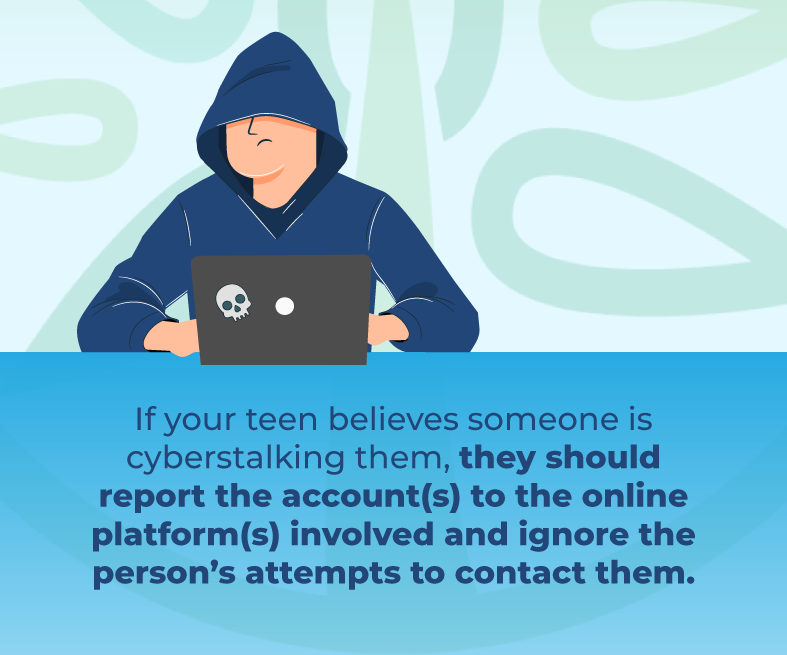
If your teen believes someone is cyberstalking them, they should report the account(s) to the online platform(s) involved and ignore the person’s attempts to contact them. Many sites and apps can block individuals’ IP addresses, which are based on the location of their internet connection, not just their account username. If the cyberstalking is accompanied by threats or involves in-person stalking too, it’s a good idea to contact the authorities for help.
Experiencing cyberstalking is also incredibly scary and traumatizing. It can really shake a teenager's trust in people and their sense of security. It will help to remind your teen of the security they do have. Even something as simple as “We have a security system that'll catch anyone who tries to find you,” or “If anything happens at school, you can tell your teachers, and they’ll have your back,” can be reassuring. Work with them to develop a plan they can implement if they feel unsafe. They’ll probably also feel a little “silly” being so afraid of someone online, so assure them that their concerns are valid and understandable.
Encourage your teen to develop strategies for asking others for help when needed, as they may be hesitant to mention the situation in person. It could help them to involve trusted friends so they develop a solid support system and have plenty of people to keep them company when they feel unsafe.
If the cyberstalker is someone from school, involving school faculty is a good idea, too. They can take disciplinary action against the stalker. If it isn’t clear who the stalker is, school officials can still accommodate your teen to quell some of their anxiety. They could allow your teen to walk with a friend to the bathroom or the guidance counselor’s office, and ensure teachers keep a closer eye on them in case they need help, for example.
Teens will inevitably mess up. Adults still mess up! However, teens often fail to think things through and don’t understand the impact their words have. This also applies to what they post online.
It’s too common for others to bring up something questionable a teen has said and repost it on their own social media alongside a comment meant to embarrass the teen. This is especially problematic if the person has a large following that tends to agree with them. It can cause the “called out” teen to receive a lot of harassment and cruel comments.
If your teen did make a mistake, it’s a good idea for them to apologize publicly and delete their posts that the cyberbully reposted. That will stop some of the harassment, but likely not all of it. It’s once again never a bad idea for your child to block accounts that make them feel bad.
They can also privately message the person who turned others against them and ask them to talk about the issue. With some levelheaded conversation, they might agree to take their post down.
It’s challenging to eliminate social media posts completely, so be sure to discuss with your teen how to protect their online reputation. Everyone is responsible for the words they post – both cyberbullies and their victims.
“Trolling” refers to when someone intentionally says rude or controversial things to annoy people and elicit a response from them. You may sometimes see trolling referred to as “rage bait.” These are posts intended to provoke anger. The poster might not even believe what they’re saying! Trolls usually post anonymously or on accounts that can’t easily be traced back to a real person.
You can often identify a troll based on their profile. They typically don’t have many followers or information about themselves, and may have a default profile picture for the website.
Because trolls’ goals are to get a response, it’s best to ignore them. Your child can report them, block them, and then move on. Engaging with them is a waste of their time and energy.
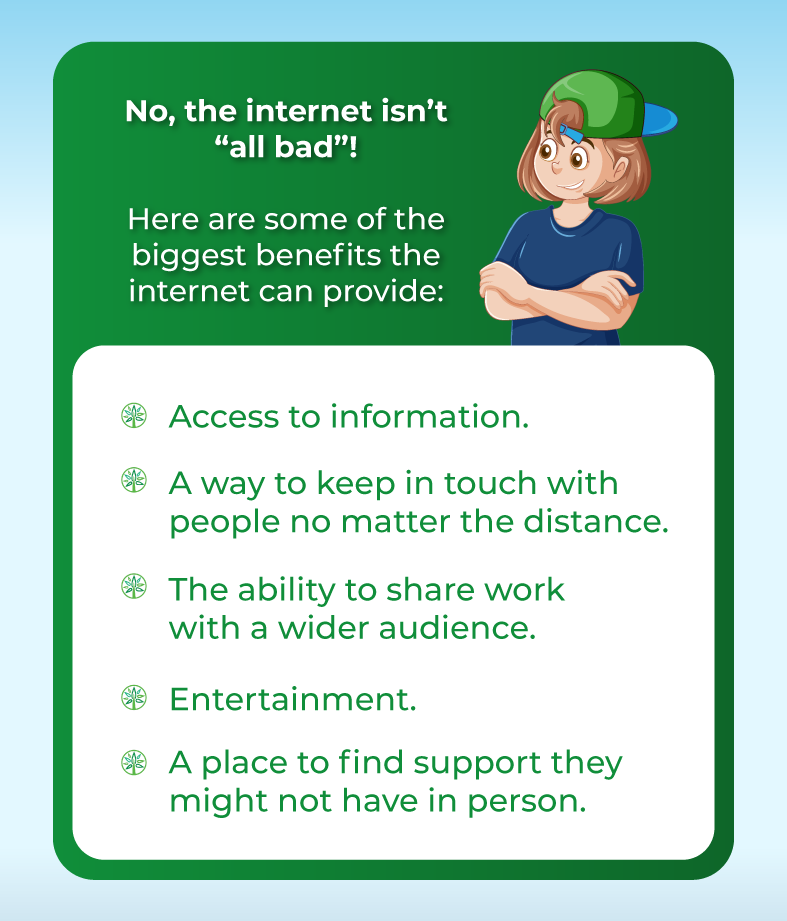
No, the internet isn’t “all bad”! When used responsibly and in moderation, the internet offers numerous benefits. Here are some of the biggest benefits the internet can provide:
As your child grows older, it can be challenging to strike a balance between respecting their privacy and ensuring their safety. The use of technology and something as limitless as the internet is just another area where this comes into play.
The most important part of the equation is keeping the conversation around devices and the internet open. Ask your teen what they’ve been up to online lately with genuine curiosity, not suspicion. If your teen doesn’t want to share much, that doesn’t necessarily mean they’re getting into trouble. They could just want to protect their privacy and independence. However, take note of any defensiveness or secretiveness, especially if it seems like they’re constantly checking their notifications. That might be cause for concern and is worth pointing out to your teen and questioning them further about it. Try something like, “You check your phone notifications a lot, and aren’t very open with me when I ask what you’re doing online. I’m concerned. Let’s talk about this some more and set some new boundaries.”
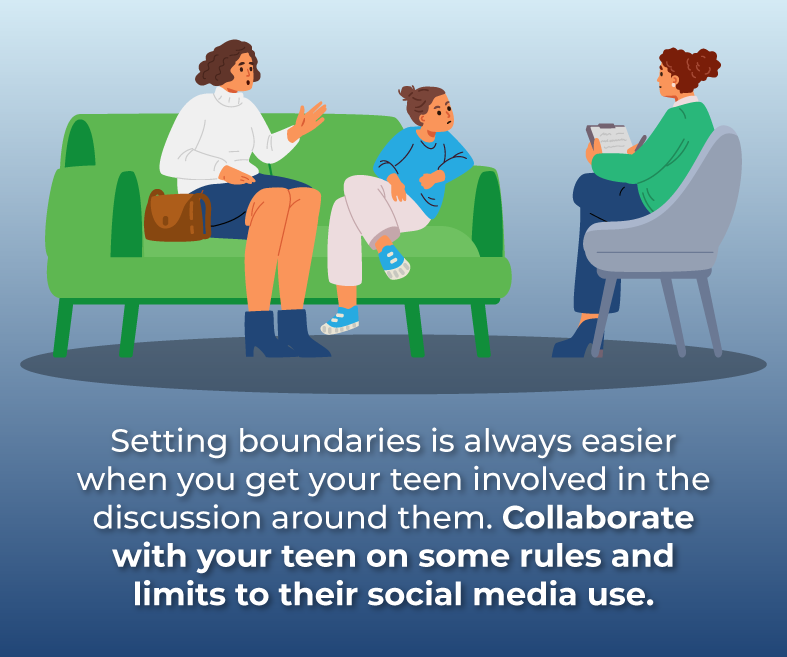
Setting boundaries is always easier when you get your teen involved in the discussion around them. Collaborate with your teen on some rules and limits to their social media use. This shows them you respect their opinions and autonomy, even if you may not entirely see eye-to-eye. You might have to compromise. If you only want your teen’s screen time to be around two hours per day, and your teen wants it to be four, you might both agree that three hours is a reasonable compromise. Your teen is more likely to comply with the rules you set if you establish them together and take their input into account.
Here are some things to consider when you discuss social media and devices with your teen:
Online spaces significantly impact our lives. They’re also relatively new. We’re all still learning about them, so there’s no need to feel bad if you’re confused or aren’t sure what to do for your teen.
If they’ve experienced something on this page and these tips haven’t worked, don’t lose hope. It’s just time to reach out for more help.
Searching for a therapist or other mental health professional if you’re concerned about your teen’s mental health. It can help more than you know.
Bricolage Behavioral Health serves children in Flower Mound, Texas, and surrounding areas. Whether it’s through our whole-group therapy or medication-light approach, no one else in the country does teen mental health treatment like Bricolage. If your child could benefit from our care, contact us at 469-968-5700 today.
Bricolage Behavioral Health: Where Teen Minds Matter


Bricolage Behavioral Health is strength-based, skills-based, evidence-based, and medication-light. We empower your child or teen to develop the skills they need to take control of their mental health with effective, science-backed therapy.
At Bricolage Behavioral Health we believe that whole family healing affords your child the best chance for long term mental health and can put your loved ones on the path to a healthier, happier life.
Bricolage Behavioral Health
3204 Long Prairie Road
Suite A
Flower Mound, TX 75022
Mon - Fri: 8:30 AM–9:00 PM
Sat & Sun: 9:00 AM–5:00 PM